Gem Lore:
Pearls - the gemstone of the sea, dates back to the 5th Century BC whereby, ancient Romans and Egyptians would use the gemstone for adornment. In Greek mythology, it has been said that pearls were the tears of joy, shed from the Goddess Aphrodite. The gemstone was famously crushed by Cleopatra in a glass of wine, to prove to Marc Antony, that she could serve the most expensive dinner in history. Currently, pearls are thought to symbolise wisdom and serenity.
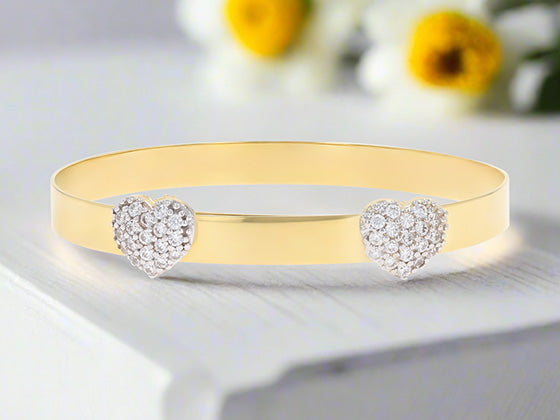
Cubic Zirconia - is a synthetic gemstone made from a composition of zirconium dioxide and in its colourless form, is most often used as a simulant for diamonds. Cz’s possess the optical effect of fire more strongly than diamonds, which is the ability of a material to split light into spectral colours. The artificial gemstone can be made in a rainbow of colours from: yellow, orange, red, pink, purple, violet, blue, green and brown. The modern period, which took place between the 60’s and 80’s, saw the dawn of a hybrid collection between fine and costume jewellery. When artificial gemstones were married together with precious gemstones and metals, making jewellery more affordable for everyone to wear.
Jewellery Care Precautions:
Avoid direct contact with: perfume, lotions, skincare, hairspray / other chemicals. Remove, your jewellery: when showering, swimming (as both chlorine and saltwater will react with metals), washing your hands / using hand sanitisers, before going to bed or when participating in physical activities (going to the gym, exercising, gardening, housework etc….).
Beware, metals may tarnish over time due to oxygen contact and natural body oils. Prevent items from being exposed to moisture and direct sunlight, for long periods. Store jewellery in a dry place away from humidity, in a pouch/jewellery box and keep each piece separated from each other. Care, for your jewellery by cleaning with a soft dry cloth.
Sterling Silver:
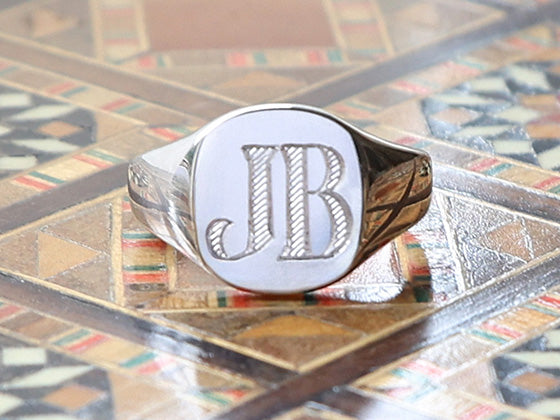
Silver as an element in its purest form, experiences very little tarnish, but it is far too soft and malleable, to be used in jewellery. To increase its durability and to make it easier to work with, 92.5% of pure silver is alloyed with 7.5% of copper.
Tarnishing appearing on your silver jewellery is normal. Over time and especially in humid conditions, the copper alloy naturally oxidises with the air, causing the silver to tarnish and discolour to yellow/brown/black. However, this tarnishing and discolouration, will speed up, if your jewellery comes into contact with: hairspray, cosmetics, perfume, body lotion, deodorant etc…
If you notice a greenish colour appearing on your fingers, neck or earlobes where you wear your silver rings, chains and earrings. This is because your jewellery has oxidised by reacting with: the natural acid (pH level of your skin), oils, moisture and perspiration of your body. Or from the lotions and perfumes applied to your body.
Remember to keep you silver away from any chlorine, acids or abrasives as this will begin to degrade your jewellery. It is best to practise our jewellery care precautions steps above.
For silver that has experienced a light tarnish, you can use a silver dip to help bring it back to life, this also helps to get into tiny crevices, that are hard to reach. For silver that has experienced a darker tarnish, using a silver jewellery cloth will remove more tarnish than a silver dip, as it is embedded with low abrasive chemicals. For silver that is heavily tarnished, using a silver polish or cream will help - however this is abrasive and we recommend to use with care and only when needed. Alternatively, the safe hands of our jewellery workshop can revive the beautiful silver shine of your jewellery.
Pearl:
Hardness: 3.5-4 | Toughness: Fair | Stability: Poor
Extreme Caution, Avoid: Sudden Impact (pressure, knocks), Cosmetics (hair sprays, lotions, perfumes, make-up), Chemicals (acids, detergents, solvents, nail polish remover), Heat, Extreme Temperature Change (thermal shock), Porosity, Jewellery Cleaners (dip, ultrasonic, steam cleaners).
Gemmological Observation: Clean using water and cotton wool, dry with a soft cloth. If strung, lay flat to dry to avoid stretching the thread. Regular, careful cleaning and restringing is advisable. Pearls may be damaged by: household cleaners, mild acids such as the natural acid secretion from the wearers skin, exposure to mild heat will cause dehydration - which will lead to cracking and powdering of the surface. Nacre can be scratched easily, avoid wearing whilst doing any activity which can cause abrasion. Avoid dry/hot storage conditions. Do not soak in jewellery cleaners.
Remember, when dressing or undressing, pearls should be last on and first off.