Jewellery Odyssey:
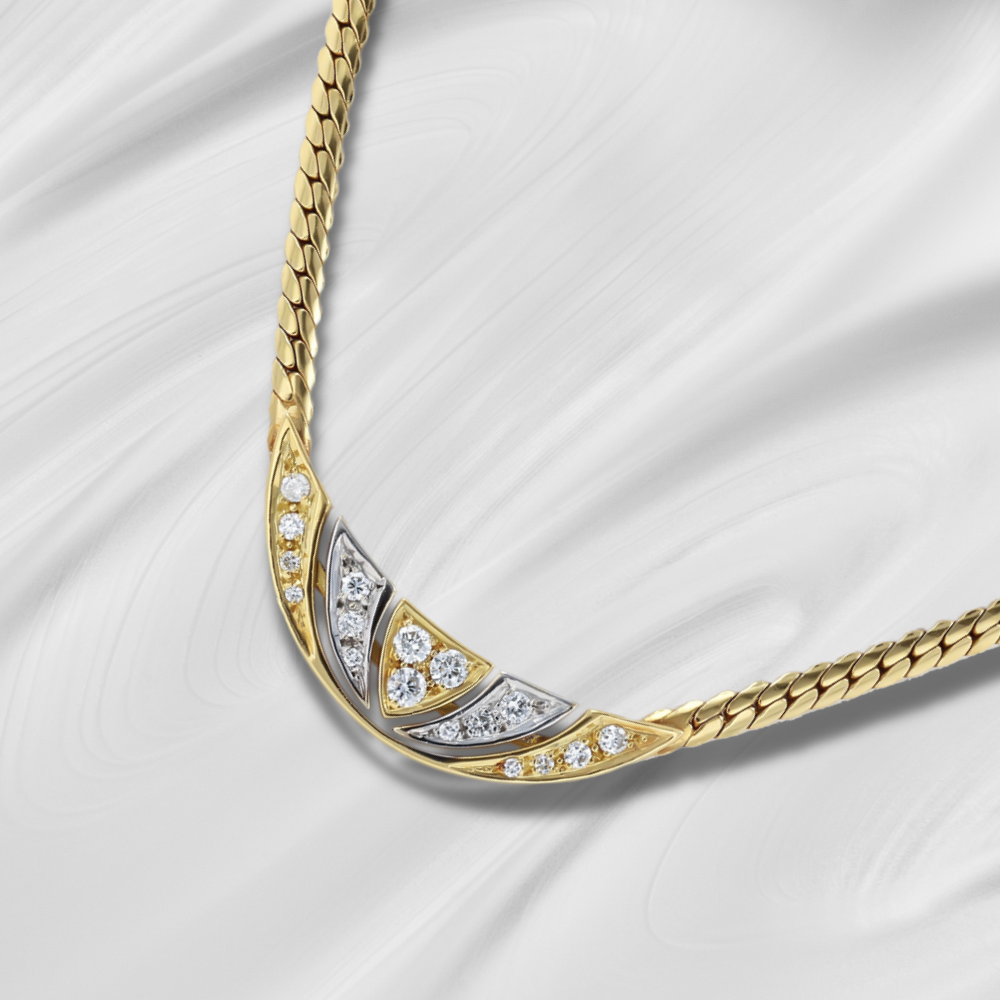
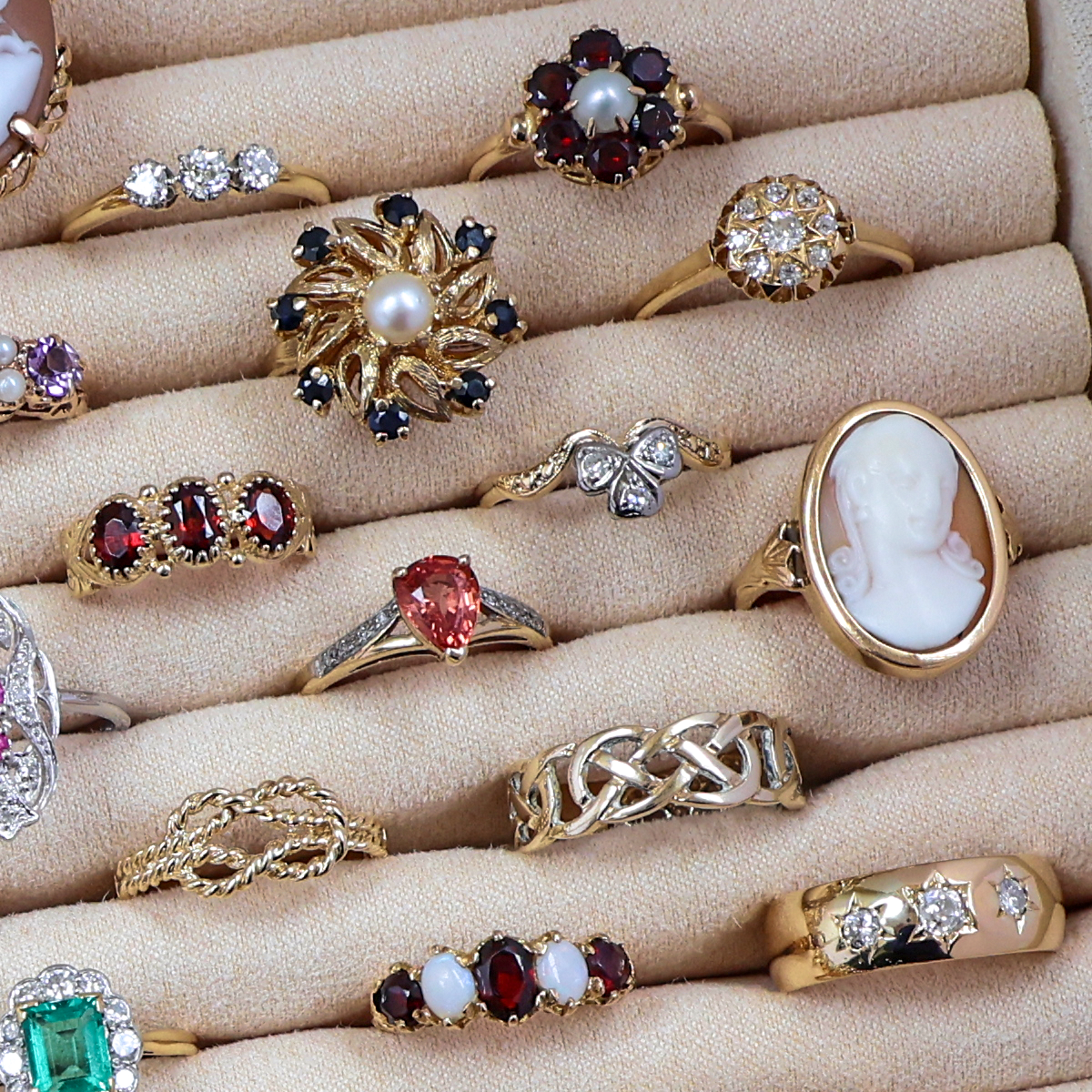
Inspired by the 60’s and 70’s, bold, bright and big jewels were en vogue, throughout the modern era. It was an experimental period, where gemstone grew larger and yellow gold took centre stage once more. This time the metal was confidently married with diamonds, for a less opulent approach and targeted a wider audience, other than the wealthy. Jewellery would be worn during the day as a statement, to break away from the conventions, of exclusively being worn in the evening. These decades saw the first hybrid collection, of fine and costume jewellery being crafted together, widening the audience for everyone to wear jewellery. The rapid mass productions of artificial gemstones and plastic jewellery, gained momentum and popularity, for it affordability. The iconoclasm mood, inspired splinters shapes, jagged, spiky contours which substituted the smooth, linear outlines of the preceding decades. The space race and the catalysts of rock and pop music, influenced recurring satellite motifs and sharp colour contrasts, resulting in loud, energetic jewels being created.
Gem Lore:
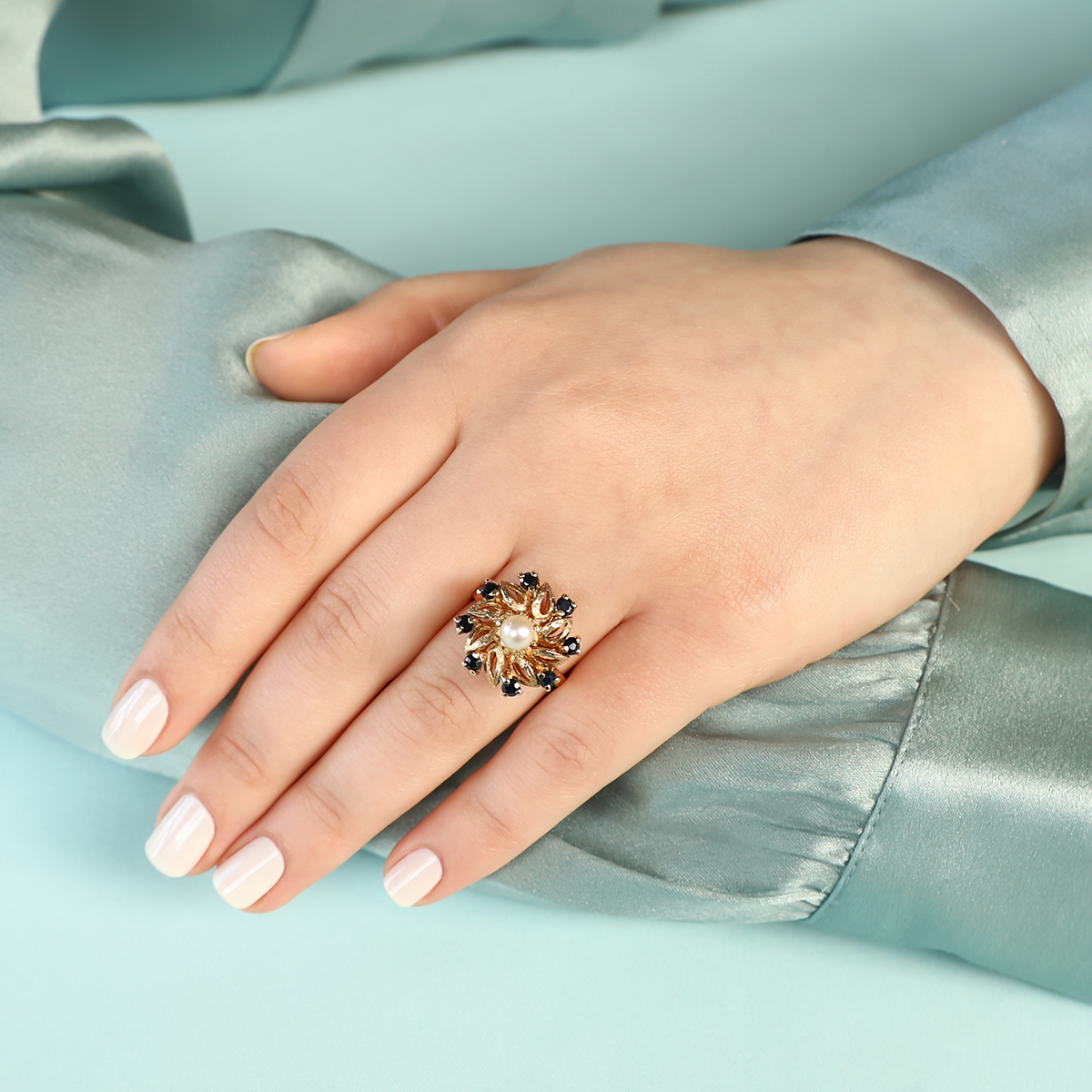
Pearls - the gemstone of the sea, dates back to the 5th Century BC whereby, ancient Romans and Egyptians would use the gemstone for adornment. In Greek mythology, it has been said that pearls were the tears of joy, shed from the Goddess Aphrodite. The gemstone was famously crushed by Cleopatra in a glass of wine, to prove to Marc Antony, that she could serve the most expensive dinner in history. Currently, pearls are thought to symbolise wisdom and serenity.
Sapphire - derives from the Latin word ‘saphirus’ and Greek word ‘sapheiros’, which simply translates to the colour blue. This gemstone is referenced frequently throughout Ancient Literature. From being the celestial material given to Moses, that sacredly held the inscription of the Ten Commandments. The ancient Persians, who believed the earth to rest on a giant sapphire, which was then reflected in the sky. To Helen of Troy, who was thought to possess a large star sapphire, the reason behind her desirability. In most recent times, sapphire has come to symbolise wisdom and creativity.
Ring Resizing Service - How To Request Your Size:
If the current ring size listed under the details section, does not match your requirements. Please complete the enquiry form: including the reference code of the ring, which is located above the price, along with the ring size you need.
We will assess the feasibility of your request and provide you with a quotation for the bespoke alteration. If you decide to proceed, we will email you a link to review and process your customised order.
*Please Note: our resizing service typically requires a timeframe of 10 to 14 working days to complete. Rings that have been resized, cannot be returned for an exchange or refund.
Can Any Ring Be Resized?
No, depending on the design and setting, some rings cannot be resized. Whilst other rings can be safely resized up or down, by one to four sizes.
Are There Limitations To Resizing Rings?
Yes, it is important to appreciate that rings are made to fit their current size. When a request is made to significantly reduce the current size, it can result in the band developing an oval shape. Equally, increasing the size beyond a certain point, can alter the curvature of the band. Such modifications can potentially compromise the stability of settings, that hold gemstones securely in place.
As a result, there are limitations on how much a ring can be resized without compromising its structural integrity. If a requested size change impedes the durability of the ring, alternative solutions such as incorporating a half shank or soldered beads, if appropriate can be suggested.
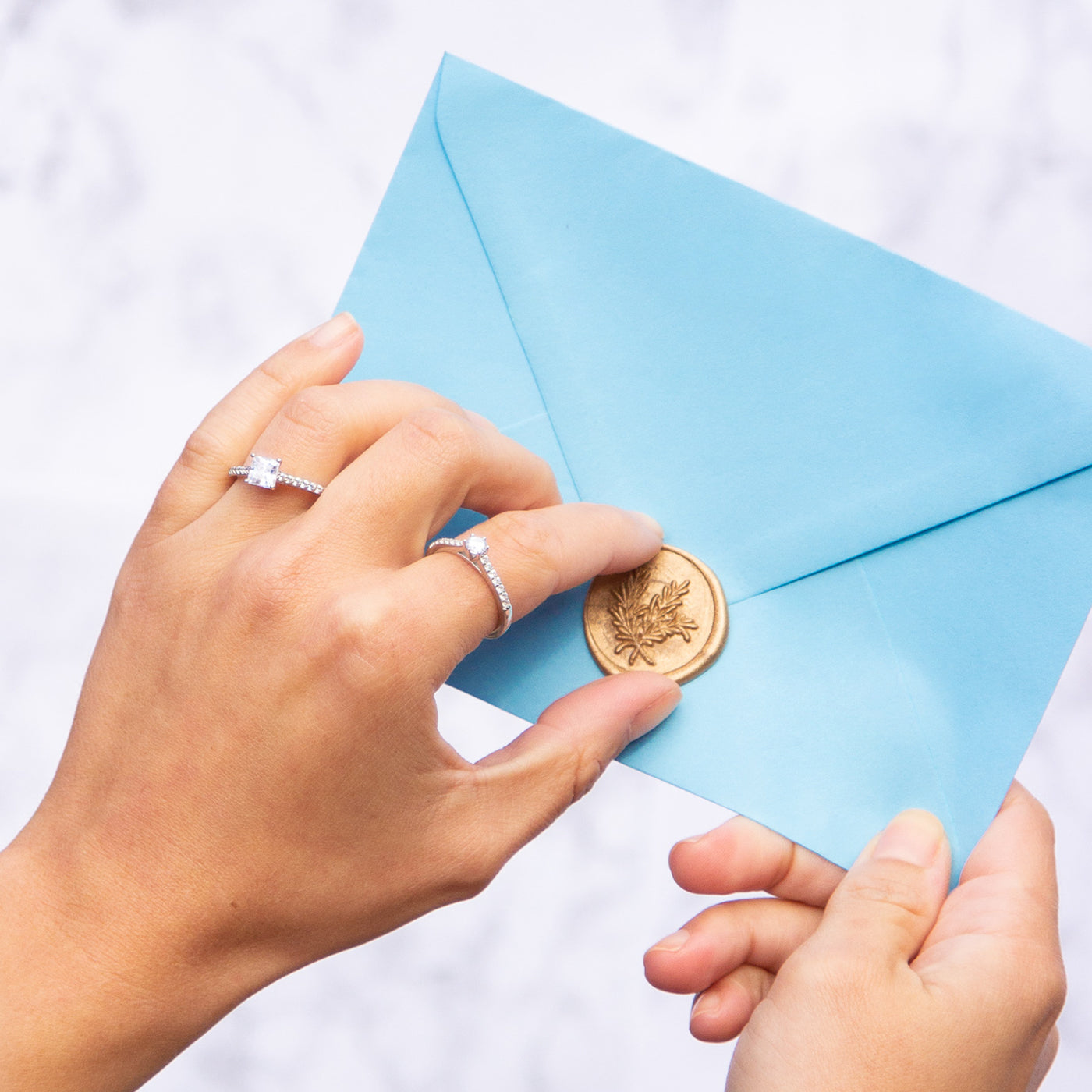
Remember there is only about a 1mm difference between each whole ring size. For more information on what to consider when finding your size, read our blog: "The Factors Affecting Ring Size”.
Jewellery Care Precautions:
Avoid direct contact with: perfume, lotions, skincare, hairspray / other chemicals. Remove, your jewellery: when showering, swimming (as both chlorine and saltwater will react with metals), washing your hands / using hand sanitisers, before going to bed or when participating in physical activities (going to the gym, exercising, gardening, housework etc….).
Beware, metals may tarnish over time due to oxygen contact and natural body oils. Prevent items from being exposed to moisture and direct sunlight, for long periods. Store jewellery in a dry place away from humidity, in a pouch/jewellery box and keep each piece separated from each other. Care, for your jewellery by cleaning with a soft dry cloth.
Yellow Gold:
Gold as an element, in its purest form will not tarnish, but gold used in jewellery has been alloyed with other metals, to increase durability. These metals have properties that when in contact with oxygen, chemicals, oils or other substances - will result in a surface tarnish or damage and corrosion. Even the pH level of you skin and the natural oils it produces, can tarnish your gold jewellery.
To prevent your gold jewellery from tarnishing or even disintegrating, avoid exposure to household chemicals, bleaches, toothpaste, baking soda and other cleaning abrasives. Wearing jewellery in places where perfumes, hairsprays, body lotions have been applied on your body, will increase tarnishing. Wear your jewellery after the products have been applied. To clean your gold jewellery, use a mild soap with warm water and dry with a soft cloth. For professional cleaning, our workshop can polish your jewellery back to life.
Pearl:
Hardness: 3.5-4 | Toughness: Fair | Stability: Poor
Extreme Caution, Avoid: Sudden Impact (pressure, knocks), Cosmetics (hair sprays, lotions, perfumes, make-up), Chemicals (acids, detergents, solvents, nail polish remover), Heat, Extreme Temperature Change (thermal shock), Porosity, Jewellery Cleaners (dip, ultrasonic, steam cleaners).
Gemmological Observation: Clean using water and cotton wool, dry with a soft cloth. If strung, lay flat to dry to avoid stretching the thread. Regular, careful cleaning and restringing is advisable. Pearls may be damaged by: household cleaners, mild acids such as the natural acid secretion from the wearers skin, exposure to mild heat will cause dehydration - which will lead to cracking and powdering of the surface. Nacre can be scratched easily, avoid wearing whilst doing any activity which can cause abrasion. Avoid dry/hot storage conditions. Do not soak in jewellery cleaners.
Remember, when dressing or undressing, pearls should be last on and first off.
Sapphire, Corundum:
Hardness: 9 | Toughness: Excellent | Stability: Very Good
Low Caution: A very durable gemstone, generally it is safe to use in; Jewellery Cleaners (dips, ultrasonic and steam cleaners).
Gemmological Observation: Corundums are a very durable gemstone. However, if lead-glass filled or heavily fractured, you will need to avoid: Chemicals (acid, detergents), Direct Heat, Jewellery Cleaners (ultrasonic, steam cleaners).